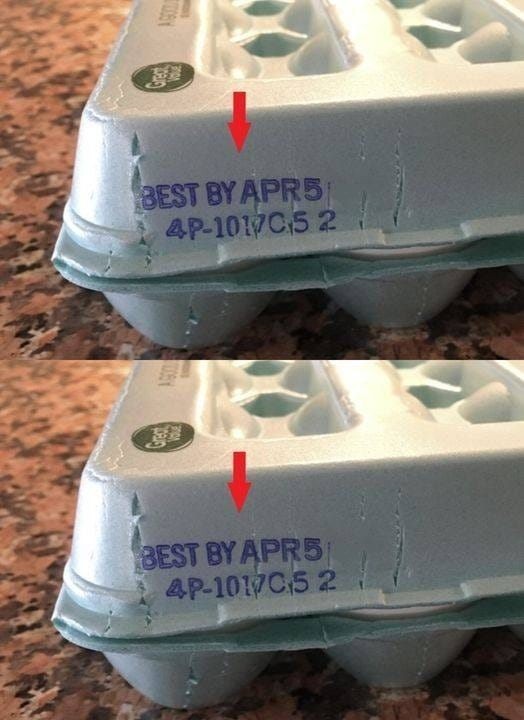
Of course, fresh is best, but is there an issue with older eggs that are still good?
Eggs are a staple food in households worldwide, valued for their affordability, versatility, and rich nutritional profile. While most consumers aim to buy the freshest products possible, eggs present a unique challenge because their physical quality may not immediately reveal their true freshness. This article explores the scientific and practical perspectives on whether slightly older eggs that are still safe to consume pose any issues, how to read egg carton dates for optimal selection, and the food safety nuances associated with egg consumption.
The Science of Egg Freshness
From the moment an egg is laid, natural changes begin to occur. Fresh eggs feature firm whites and centered, plump yolks. However, as days pass, eggs slowly lose moisture and carbon dioxide through their shells—a process that changes their internal composition. The yolks become weaker, sometimes breaking easily, and the whites become more watery.
This natural aging process does not immediately render an egg inedible. Eggs that do not show visible signs of spoilage—such as off odors or unusual appearance—are generally safe to eat. However, the quality for certain recipes, especially those requiring robust egg whites (for example, meringues or soufflés), may diminish with older eggs. Culinary experts sometimes recommend using older eggs for hard-boiling because they peel more easily, while reserving fresher eggs for baking and delicate presentations.
Food Safety Risks and Older Eggs
Although eating eggs that are not fresh but still good is often safe, there is a slightly higher risk of food-borne illnesses as eggs age. The main concern is Salmonella enterica, a type of bacteria that can cause foodborne illness. Fortunately, the majority of commercially produced eggs in the United States are washed, graded, and refrigerated soon after collection to reduce contamination risks.
Over time, however, the egg’s protective barriers may become compromised, potentially giving bacteria a greater opportunity to penetrate the shell. The U.S. Centers for Disease Control and Prevention (CDC) and the Food and Drug Administration (FDA) recommend always cooking eggs until both the yolk and white are firm, and avoiding raw or undercooked eggs, especially for vulnerable populations like young children, elderly adults, pregnant women, and immunocompromised individuals.
Despite these risks, wasting food also has consequences for household budgets and environmental sustainability. If eggs show no signs of being bad—such as an unpleasant smell or discoloration—they can typically be consumed safely with proper cooking. It’s essential to use careful judgment and follow official food safety guidelines.
Understanding Egg Carton Labels and Julian Dates
One of the most confusing aspects for consumers is deciphering the various dates shown on egg cartons. In the United States, cartons may display both a standard “Sell By” or “Use By” date and a three-digit Julian date. The Julian date, found near the sell by label, indicates the exact day of the year the eggs were washed, graded, and packaged. The Julian system starts at 001 for January 1 and ends at 365 or 366 for December 31 of a leap year.
For example, a Julian date of 032 refers to February 1, while 300 falls in late October. This code provides valuable insight for shoppers, as eggs are typically at their best quality when used within three to five weeks of this packaging date. Understanding these dates empowers consumers to select fresher eggs and make informed choices about consumption.
The U.S. Department of Agriculture (USDA) permits eggs to be sold up to 30 days after their packaging date. Depending on distribution and turnover at the store, it is possible to find cartons that have been on the shelf for several weeks. Therefore, decoding the Julian date can make a significant difference in ensuring freshness.
Practical Tips for Checking Egg Freshness
Beyond reading the carton label, several methods can help determine if eggs are still good to eat. The most common is the water test: place the egg in a bowl of water—if it sinks and lays flat on its side, it is fresh. If it stands upright or floats, it is older or possibly spoiled due to the accumulation of air inside the shell.
Another method is the “sniff test.” Crack the egg open and check for any odd or sulfur-like odors. A bad smell is a clear indicator that the egg should not be consumed, regardless of the date code. Visual inspection for discoloration, sliminess, or powdery spots can also help detect possible spoilage.
Proper storage further extends egg shelf life. Keep eggs in their original carton, which reduces moisture loss and odor absorption from other foods. Place the eggs in the coldest part of the refrigerator, ideally at 40°F (4°C) or lower. Do not store eggs on the refrigerator door, as temperatures there fluctuate more often.
Nutritional Profile: Are Older Eggs Less Nutritious?
While older eggs may experience changes in texture and culinary performance, their basic nutritional value remains largely intact as long as significant spoilage has not occurred. Eggs are an excellent source of high-quality protein and contain vital nutrients such as Vitamin B12, Vitamin D, selenium, and choline. These qualities persist well beyond the first days after packaging, confirming that slightly older eggs can still provide important dietary benefits.
However, some studies suggest that prolonged storage, especially at higher temperatures, may cause some vitamins—such as riboflavin and Vitamin A—to degrade more rapidly. Proper refrigeration can minimize this loss. In general, fresh eggs are optimal for maximum nutrition, but the difference is relatively minor within a few weeks of packaging.
Consumer Guidance: Making Smart Egg Purchases
To maximize the benefits and safety of egg consumption, consider these recommendations:
- Check the Julian date when purchasing eggs for the freshest possible carton.
- Prioritize fridge storage and avoid buying eggs with visible cracks or dirty shells.
- Practice “first in, first out” at home to use older eggs before newer ones.
- Cook eggs thoroughly to reduce the risk of foodborne illness, especially as eggs get older.
- Be mindful of food waste and make use of eggs for various cooking purposes if they remain safe.
When in doubt, your senses are the best tools—any unpleasant smell, off coloration, or slimy texture should be taken as a warning to discard the egg.
Minimizing Food Waste
Eggs are a highly perishable commodity, and millions are thrown away each year worldwide due to safety concerns or misunderstanding of freshness labels. Proper education about egg dating and food safety not only helps to protect health but also reduces unnecessary waste. Globally, food waste is a significant contributor to greenhouse gas emissions and resource depletion. At a household level, using eggs within their safe window helps both the environment and family budgets.
Internationally, practices for washing, packaging, and labeling eggs vary. For instance, the European Union generally prohibits egg washing and requires slightly different date labeling on packaging. Regardless of regional differences, the core message remains the same: knowledge about egg freshness and handling supports both safety and sustainability.
Expert Opinions
Food safety and nutrition experts emphasize that the risk profile for eggs is generally low when handled and cooked appropriately. The American Egg Board, CDC, and USDA all encourage consumers to rely on the combination of date codes, proper storage, sensory tests, and safe cooking practices for peace of mind. Experts point out that eggs are among the most studied foods when it comes to foodborne pathogens, and ongoing improvements in supply chain safety have further mitigated risks.
Global and Societal Perspectives
Eggs are consumed billions of times daily worldwide, with societal attitudes and usage reflecting local culture, cuisine, and food safety regulation. While some countries recommend refrigeration and prompt usage, others prioritize local sourcing and room temperature storage. In all cases, awareness of food safety combined with efforts to reduce waste continues to inform public policy and health campaigns.
Public health authorities internationally counsel consumers to err on the side of caution, but also to avoid excessive waste based on misunderstood labels. As food systems adapt and populations grow, informed choices about staple foods like eggs play a critical role in environmental stewardship and nutrition security.
For more information about proper egg storage and consumption, consult resources provided by organizations like the CDC, USDA, and global food safety agencies.