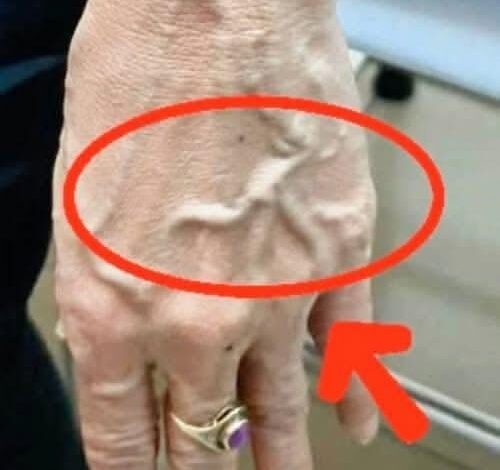
If Your Veins Are Visible in Your Hand, It Is a Signal?
In most cases, visible hand veins are completely normal and related to aging, body composition, or temporary changes like heat and exercise. However, in some situations they may reflect circulatory issues, varicose veins, or other medical conditions that deserve attention. Understanding the difference between normal variation and warning signs can help you decide when to relax and when to talk to a doctor.
How Veins Work and Why They May Become Visible
- One-way valves inside the veins that prevent blood from flowing backward
- Contractions of surrounding muscles that help push blood along
- Elastic vein walls that can expand and contract as needed
When you look at your hands, you are seeing superficial veins that lie relatively close to the skin. Their visibility depends on several physical factors:
- Skin thickness: Thinner or lighter skin makes veins easier to see.
- Amount of subcutaneous fat: Less fat under the skin means less “padding,” so veins stand out more.
- Vein size and fullness: When veins temporarily widen (dilate) or carry more blood, they look larger and bluer.
- Lighting and skin tone: Veins can appear more noticeable under certain lighting or on specific skin tones.
Because these features vary from person to person, there is a wide range of what is “normal.” For many healthy individuals, prominent hand veins are simply part of their natural anatomy.

Common Benign Reasons for Visible Hand Veins
Aging and Natural Changes in the Skin
This is why visible hand veins are extremely common in older adults, even when their overall cardiovascular health is good. In this context, prominent veins usually represent a cosmetic concern rather than a medical danger.
Low Body Fat or High Physical Fitness
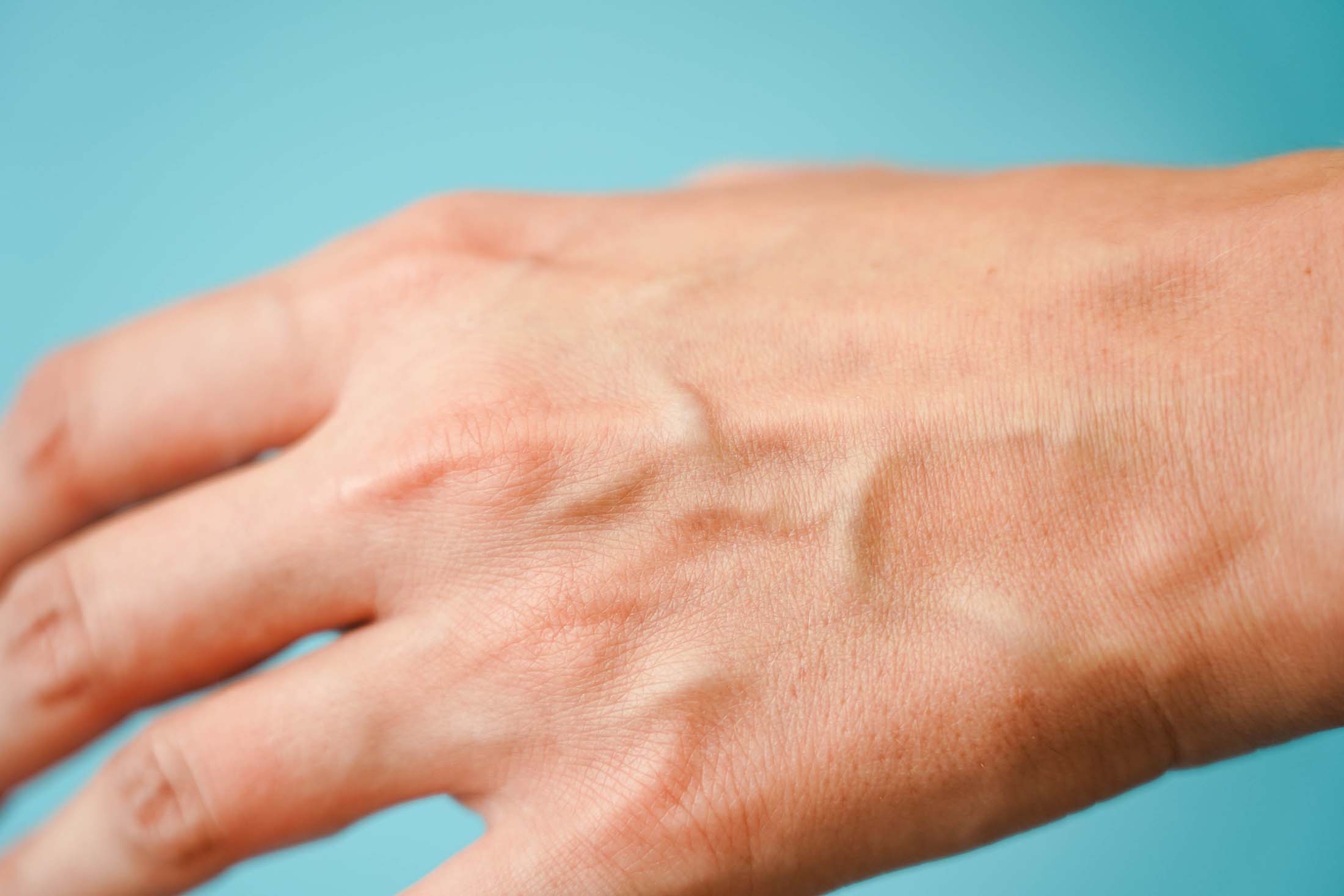
In this situation, showing veins is often a sign of low body fat and a well-developed circulatory response to exercise. It is not inherently harmful. However, sudden or extreme changes in vascular appearance should still be discussed with a healthcare professional.
Heat, Hydration, and Temporary Dilation
- Heat: On a warm day, or after a hot bath, your blood vessels dilate to help release heat. This can make veins on the surface of the skin easier to see.
- Exercise: Physical activity increases blood flow to the muscles, filling nearby veins and making them more prominent, especially in the hands and forearms.
- Hydration levels: Changes in fluid balance may slightly affect the fullness of veins, though this is usually subtle.
These changes are typically temporary. Once you cool down or rest, your veins usually look more like they did before.
When Visible Veins Could Signal a Health Issue
Varicose Veins and Chronic Venous Insufficiency
Varicose veins most commonly occur in the legs, but similar processes can affect superficial veins elsewhere. Potential warning signs include:
- Veins that appear twisted, rope-like, or significantly enlarged
- Persistent heaviness, aching, or throbbing in the affected area
- Swelling, especially toward the end of the day
- Skin changes such as darkening, itching, or dryness around the vein
While cosmetic concerns are common, chronic venous insufficiency can also increase the risk of skin ulcers or blood clots in some cases. A healthcare professional can evaluate whether visible veins in your hands are part of a wider pattern of venous disease.
Blood Clots (Thrombosis) in Surface Veins
Signs that a blood clot may be present include:
- Sudden pain or tenderness along a vein
- Redness, warmth, or swelling over the area
- A firm, cord-like feeling under the skin
If any of these symptoms occur, especially together, prompt medical evaluation is important. A doctor may use ultrasound or other imaging to check for clots and recommend appropriate treatment.
Heart and Circulatory Conditions
Potential heart-related warning signs include:
- Shortness of breath during routine activities or when lying flat
- Swelling in the legs, ankles, or abdomen
- Unusual fatigue, weakness, or reduced exercise tolerance
- Chest discomfort or pressure
- Rapid or irregular heartbeat
If prominent veins are accompanied by any of these symptoms, particularly swelling and breathlessness, it is important to seek medical advice. Healthcare providers may check blood pressure, heart function, and overall circulation to identify or rule out conditions such as heart failure or other cardiovascular disease.
Hormonal and Pregnancy-Related Changes
Most pregnancy-related vein changes improve after delivery, but some women develop or worsen varicose veins. While generally not dangerous, any sudden swelling, pain, or tenderness in a limb during pregnancy should be evaluated to rule out a clot.
Other Medical Conditions Affecting Veins
- Connective tissue disorders: Some conditions can alter the structure of blood vessels and skin.
- Inflammation of veins (phlebitis): This can cause painful, red, or swollen veins.
- Liver disease: Severe liver conditions can lead to specific patterns of prominent veins, usually on the abdomen or chest rather than just the hands.
These conditions are typically accompanied by other, more distinctive symptoms. A doctor can review your full health picture to determine whether visible veins may be part of a broader issue.
When to See a Doctor About Visible Hand Veins
- Sudden changes in the size, color, or shape of veins
- Pain, warmth, or redness over a vein
- Swelling in the hand, arm, leg, or other areas
- Open sores, skin darkening, or thickening near affected veins
- Visible veins along with chest pain, shortness of breath, or unexplained fatigue
For most people, a primary care doctor is a good starting point. They may refer you to a vascular specialist, cardiologist, or dermatologist if specific vein or heart issues are suspected. Evaluation may include a physical examination, ultrasound of the veins, blood tests, or heart function tests depending on your symptoms and risk factors.
How Doctors Assess and Treat Vein-Related Problems
- Doppler ultrasound: A non-invasive test that uses sound waves to visualize blood flow in the veins and arteries.
- Blood tests: To check for clotting abnormalities, inflammation, or other systemic conditions.
- Imaging studies: In some cases, CT or MRI scans may be used to assess deeper vessels.
Treatment options depend on the underlying cause. For example:
- Benign visible veins: Usually require no medical treatment. Some people seek cosmetic procedures such as sclerotherapy or laser therapy, which should be performed by qualified specialists after careful evaluation.
- Varicose veins or venous insufficiency: Management may include compression stockings, leg elevation, exercise, weight management, or minimally invasive procedures like vein ablation or removal in more severe cases.
- Blood clots: Anticoagulant (blood-thinning) medications and close monitoring are standard treatments for many types of thrombosis.
- Heart or systemic conditions: Treatment focuses on the underlying disease, such as medications for heart failure, blood pressure control, or lifestyle changes.
Lifestyle Habits That Support Healthy Veins
- Regular physical activity: Walking, swimming, and other forms of exercise improve circulation and help maintain a healthy weight.
- A balanced diet: Eating fruits, vegetables, whole grains, and lean proteins supports blood vessel health and helps manage blood pressure and cholesterol.
- Avoiding long periods of sitting or standing: Moving regularly helps blood flow return to the heart, especially in the legs.
- Not smoking: Smoking damages blood vessels and increases the risk of vascular disease.
- Maintaining a healthy weight: Reducing excess pressure on veins, particularly in the lower body.
These habits benefit not only your veins but also your overall heart and metabolic health.
Key Takeaways: What Visible Hand Veins Really Signal
However, changes that come on suddenly, or that are accompanied by pain, swelling, skin changes, shortness of breath, or chest discomfort, should not be ignored. In those cases, visible veins may be one of several signs pointing to venous disease, blood clots, or heart-related conditions that require professional evaluation.
Your skin and veins can provide useful clues about what is happening inside your body, but they are only part of the story. If you are unsure whether the changes you see are normal for you, discussing them with a healthcare professional is the safest way to get clear, personalized answers