Claudia’s Encounter With Huntsman Spiders: Understanding Nature in the Home
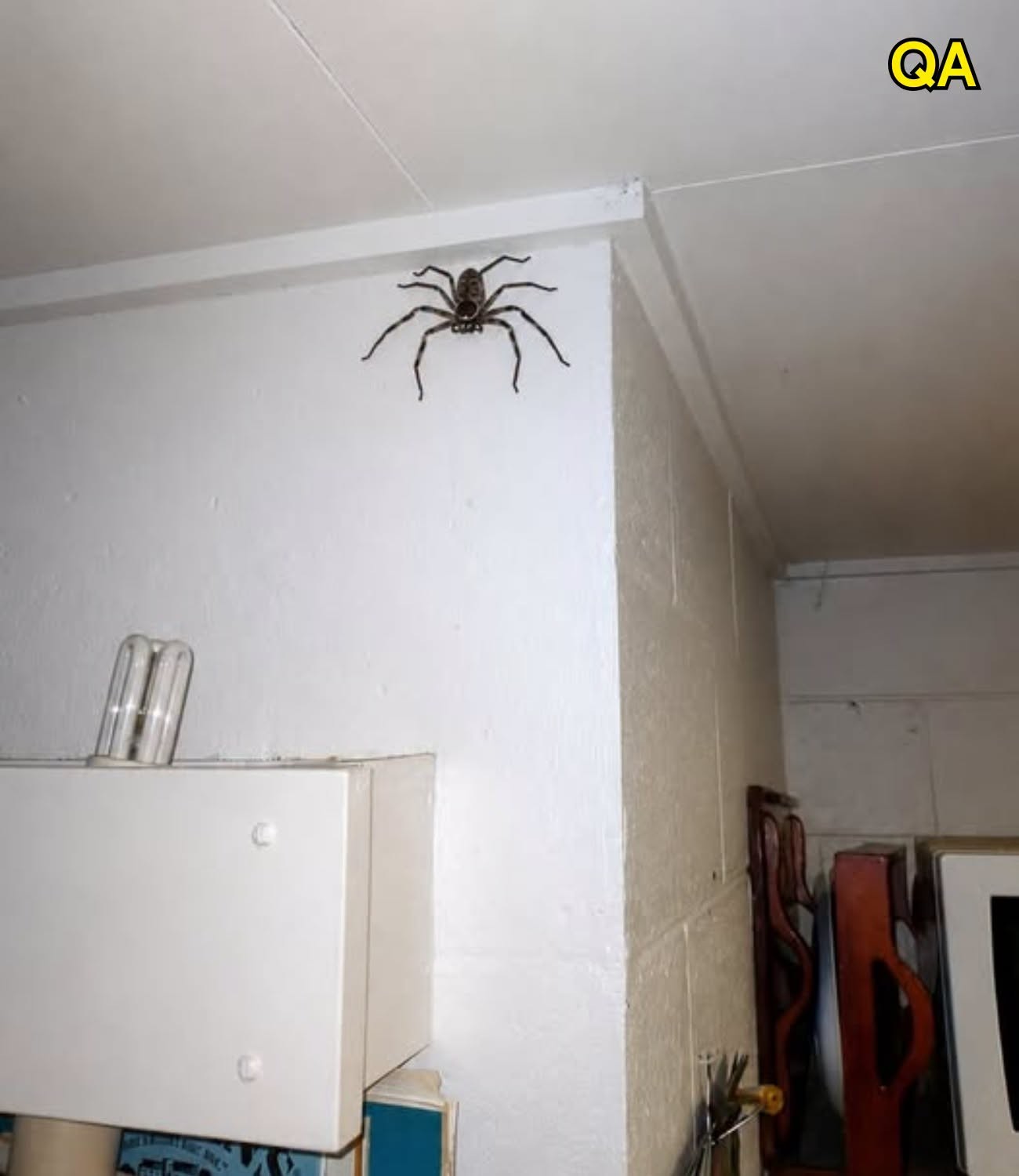
When Claudia stepped into her daughter’s bedroom and noticed the walls seemed alive with movement, her reaction defied conventional expectations. Huntsman spiders—hundreds of them—were making their presence known, crawling across the window frame, up into the corners and ceiling. While most people might instinctively panic in such a situation, Claudia took a different approach. She quietly admired their delicate forms and opened the window to let them disperse peacefully. The episode was over within a few hours, as the spiders vanished, and the home returned to quiet. This experience provides a valuable lens for understanding both the biology of huntsman spiders and the evolving attitudes humans have towards household wildlife.
The Huntsman Spider: A Gentle Giant
Huntsman spiders belong to the family Sparassidae and are widely recognized for their impressive leg span and speed. Contrary to common misconceptions, these spiders are mostly non-aggressive and are considered harmless to humans. Huntsman spiders are native to warmer climates, including Australia, Africa, Asia, and parts of the Americas, making household encounters somewhat frequent in these regions.
Female huntsman spiders often lay their eggs in hidden corners or crevices, using a protective sac to shelter their offspring. Once the spiderlings emerge, they will often stay clustered together for a short period before dispersing to establish their own territory. This cycle was what Claudia observed—a natural yet striking phenomenon that underscores the vital role these arachnids play in our ecosystem.
Why Do Huntsman Spiders Enter Homes?
The appearance of huntsman spiders inside human dwellings is rarely an act of aggression or invasion. Often, these spiders find their way indoors in search of prey—like insects and cockroaches—or they simply wander in accidentally. Homes provide warmth, shelter, and abundant sources of food, making them attractive to these beneficial predators.
In regions where huntsman spiders are native, their indoor presence can be seasonal, often peaking during warmer, wetter months when hatchlings are newly emerged. According to entomologists, sightings of clusters of tiny spiderlings—like those Claudia witnessed—are not uncommon during breeding seasons.
Ecological Benefits of Huntsman Spiders
Despite their alarming appearance, huntsman spiders are vital allies in maintaining ecological balance around homes and gardens. They help regulate populations of various insects, including pests such as cockroaches, mosquitoes, and flies. This natural pest control not only reduces the need for chemical pesticides but also fosters a healthier indoor environment.
Experts note that the presence of huntsman spiders is an indicator of a healthy ecosystem. Rather than signifying neglect or dirtiness, spiders often signify that the home’s environment supports a diverse microhabitat.
Common Reactions to Household Spiders
Human responses to unexpected wildlife encounters in the home are deeply influenced by culture, personal experiences, and education. While arachnophobia—the fear of spiders—is widespread, it is often rooted in misconceptions or negative cultural portrayals. Popular media frequently exaggerates the dangers posed by common household spiders, contributing to undue fear and sometimes harmful responses.
Claudia’s response stands as an alternative paradigm, shaped by curiosity and respect rather than fear or hostility. By choosing to observe and peacefully usher the spiders outdoors, Claudia not only protected the young arachnids but contributed to the broader effort of reframing our relationship with the natural world.
The Science Behind Arachnophobia
While many people struggle with a deep-seated aversion to spiders, scientific research suggests that this response may be partly inherited and partly learned. According to psychologists, humans are evolutionarily primed to detect and avoid creatures that might pose a risk, a survival mechanism passed down for generations. However, the vast majority of spiders, including huntsman spiders, are not dangerous.
Public education initiatives and outreach programs by museums, universities, and natural history societies are increasingly aimed at dispelling myths and fostering appreciation for spiders. Many educators believe that firsthand experiences, such as Claudia’s, are powerful drivers of lasting change in public perceptions.
Children and Encounters With Wildlife
The role that parents and elders play in shaping children’s attitudes toward wildlife is profound. Studies have shown that supportive and calm reactions from adults during unexpected animal encounters can significantly reduce anxiety and allow young people to develop curiosity and empathy for these creatures.
Claudia’s gentle handling of the situation in her daughter’s bedroom is exemplary; by demonstrating admiration rather than alarm, she may have encouraged her child to approach the natural world with wonder rather than apprehension. Such moments can serve as informal but influential education, laying the groundwork for long-term environmental stewardship.
Expert Perspectives
Leading arachnologists and entomologists stress the importance of understanding the beneficial role spiders play. According to researchers at the Australian Museum and the Smithsonian Institution, huntsman spiders rarely bite humans and are considered to pose negligible health risks. Their bites, while possible if provoked, are typically limited to mild swelling and pain—far less severe than more notorious species such as the black widow or brown recluse.
Instead, experts advocate for tolerance and, when possible, non-lethal relocation as Claudia demonstrated. Best practices for dealing with huntsman spiders involve gently coaxing them onto a piece of cardboard or into a container and releasing them outdoors, away from living spaces.
Cultural Views of Spiders Around the World
Cultural attitudes toward spiders vary widely. In some societies, spiders are seen as symbols of good fortune and creativity—such as in West African folklore or Native American tales. In others, they are stigmatized, sometimes due to superstitions and misunderstandings of their ecological role.
Educational campaigns and public awareness drives aim to bridge these gaps, promoting appreciation for spiders’ contributions to biodiversity and ecosystem health. Increasingly, national parks, museums, and science centers offer programs that allow visitors to learn about spiders in safe, engaging settings.
Balancing Safety and Respect for Nature
For those who are uneasy about sharing their homes with spiders, experts recommend practical steps to reduce encounters. Sealing cracks and crevices, maintaining screens, and reducing outdoor lighting that attracts prey insects can help keep huntsman spiders outside. However, sudden large numbers of spiderlings indoors—such as Claudia experienced—are rare and usually short-lived since the young disperse rapidly.
It is important to remember that eradication is not only unnecessary but can be ecologically harmful. Harmful chemicals used against spiders often have broader negative impacts on indoor air quality and non-target species. The most effective strategy combines gentle relocation with home maintenance and awareness.
Societal Reactions and Broader Implications
Events like Claudia’s, when shared publicly, often initiate conversations about urban wildlife and the role humans play in maintaining ecological harmony. Social media has popularized numerous stories of ‘spider surprises,’ ranging from humor to awe. Such stories offer teachable moments and encourage more measured and informed responses to common events in everyday life.
In the broad view, changing attitudes towards spiders can have ripple effects throughout society. Tolerance and curiosity towards everyday wildlife can lead to greater awareness and protection for other misunderstood species, reinforcing global efforts to preserve biodiversity.
Conclusion
Claudia’s encounter with huntsman spiders stands as a unique illustration of coexistence with the natural world. By responding with curiosity and compassion, she models a sustainable and respectful approach to managing domestic wildlife. The huntsman spider, often feared and misunderstood, is a crucial partner in our homes—regulating pests and promoting ecological health. With greater public education and mindful responses, such as Claudia’s, we can reshape societal relationships with the less visible residents of our habitats, ensuring that moments of wonder replace fear.