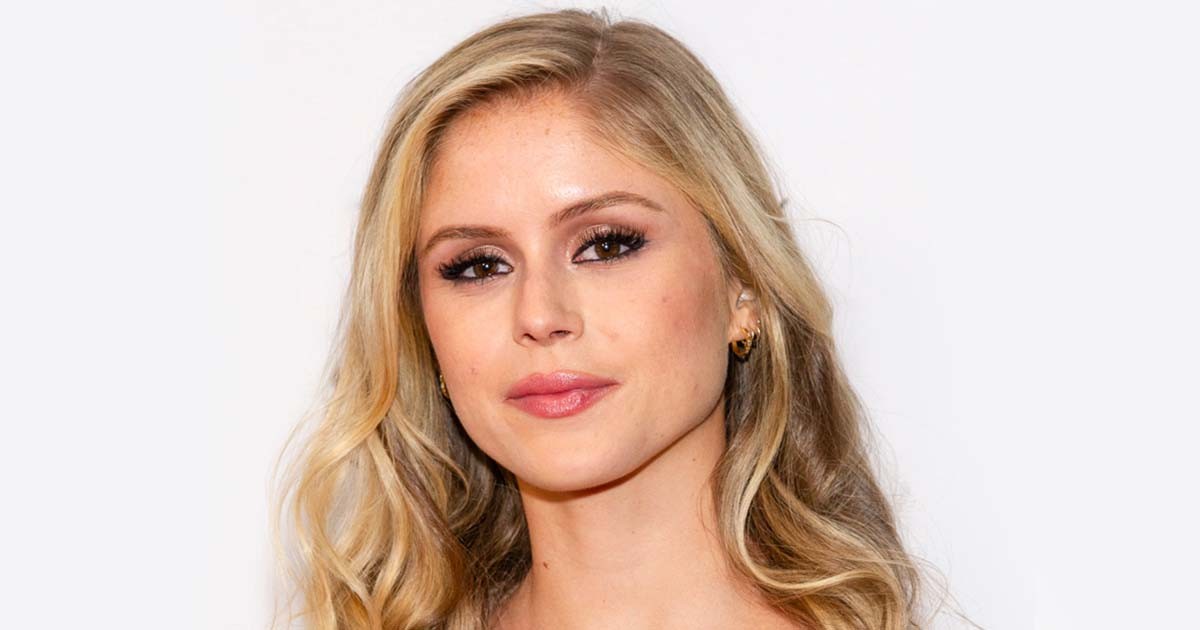
Erin Moriarty and the Complex Debate on Celebrity Beauty Standards: A Closer Look
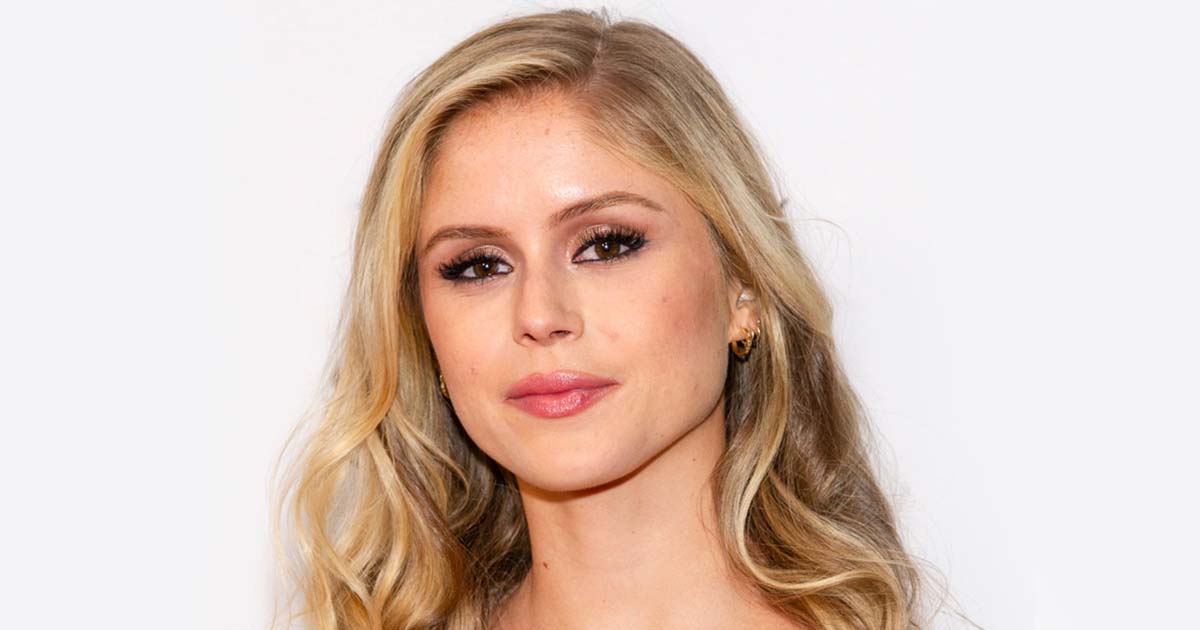
Conversations about beauty standards in the entertainment industry have long dominated social media and public discourse. With stars increasingly visible in the age of digital media, their appearances are often scrutinized, dissected, and debated in real time by millions. At the center of such a discussion in 2024 is actress Erin Moriarty, who plays Annie January—also known as Starlight—on the acclaimed series The Boys.
This examination delves into the evolution of beauty expectations in celebrity culture, how Erin Moriarty became the focus of online scrutiny, the broader dialogue around cosmetic procedures, and the real-world implications for public figures. It also explores how Moriarty’s health challenges, particularly her diagnosis with Graves’ disease, offer much-needed context and compassion in understanding shifts in her appearance.
Rising to Fame: Erin Moriarty’s Career and Public Persona
Erin Moriarty began her acting career as a teenager, landing roles in prominent television projects such as Jessica Jones, True Detective, and Blood Father. However, it was in 2019, with Amazon Prime’s superhero series The Boys, that she achieved significant recognition. Her portrayal of Starlight, a powerful yet empathetic superhero navigating the morally complicated world of “The Seven,” garnered acclaim for its nuance and emotional depth.
With the rise to stardom came not just accolades, but heightened public attention. Fans and casual observers alike found themselves invested not only in her talents but also her look—a recurring phenomenon with young actresses in the spotlight. This environment set the stage for intense discussions rooted in beauty standards and, at times, misinformation about personal choices.
The Onset of Online Scrutiny and Rumors
Speculation about celebrities undergoing cosmetic enhancements is not new; however, the scrutiny intensifies around young, female stars. Erin Moriarty became a case study for this trend in early 2024 when conversations about her appearance reached viral proportions on platforms such as Twitter, Reddit, and Instagram.
Social media users began sharing side-by-side photos of Moriarty from different years, attempting to dissect perceived changes to her face. Some commentators claimed these were the results of plastic surgery or other cosmetic interventions. Notably, some comparison images were over a decade apart or featured professional makeup and lighting techniques that can significantly alter appearances, further complicating an already speculative conversation.
Media Amplification and the Role of Influencers
Public scrutiny escalated after journalist Megyn Kelly addressed the topic during a high-profile discussion about social media beauty culture. According to CNN, Kelly specifically referenced Erin Moriarty’s images as examples of the supposed “obsession” young women have with plastic surgery. Kelly’s comments echoed a broader skepticism toward the rise of cosmetic procedures among the youth—an issue both hotly debated and sensationalized in media.
The resulting media cycle drew in millions of viewers, supporters, and detractors. Erin Moriarty found herself at the center of not just innocent curiosity but also negative attention and pervasive online rumor.

Erin Moriarty’s Response: Addressing Speculation and Online Abuse
Despite the onslaught of speculation, Moriarty remained measured in her response. In January 2024, overwhelmed by a torrent of comments dissecting her looks, she temporarily deactivated her Instagram account. She later communicated with fans, firmly denouncing the rumors and pointing out the inaccuracy of the widespread comparisons. Specifically, Moriarty clarified that one of the images used to suggest drastic changes was more than a decade old, and that some others reflected the effects of makeup artistry and professional contouring rather than surgery.
In a public statement, she described the experience as emotionally taxing. “There is no excuse for these horrific allegations, the verbal abuse that I have had to delete, and genuinely false information that is being used to perpetuate a message that is exhibitionist feminism,” she wrote.
For Moriarty, the constant focus on her appearance proved deeply exhausting, resulting in feelings of dehumanization—a sentiment echoed by many celebrities subject to relentless public examination. She underscored that misinformation can be emotionally devastating, especially as it spreads and morphs unchecked online.
Support from Fans and Public Backlash Against Online Culture
The episode prompted a wave of support for Moriarty. Fans, fellow actors, and body-positivity advocates spoke out, highlighting the natural variability caused by aging, makeup, lighting, weight shifts, and camera angles in photographs. Many argued that such superficial analyses ignore the complexity of human faces, experiences, and health conditions.
Criticism also expanded to the broader trend of internet users treating celebrities’ bodies as communal property—open to speculation, judgment, and detailed analysis often lacking empathy or expertise. The movement to push back against these norms has intensified recently, with calls for more respectful discourse about public figures’ private lives and bodies.
The Broader Conversation on Cosmetic Procedures in Hollywood
Erin Moriarty’s case is emblematic of wider issues in Hollywood, where beauty standards are simultaneously aspirational and unattainable. The constant barrage of cosmetic procedure rumors has created a climate of suspicion and pressure for many artists, especially women, to conform or explain perceived changes.
Some celebrities have embraced transparency, openly discussing their choices and normalizing cosmetic procedures as personal decisions. Others, like Moriarty, have asserted that such intrusion—even into non-existent changes—exerts a damaging psychological toll. Experts in media ethics and psychology note that this scrutiny is not merely a celebrity problem, but a reflection of broader societal attitudes toward youth, aging, and body image.
Health and Context: Erin Moriarty’s Experience with Graves’ Disease
Adding depth to the conversation, Erin Moriarty recently shared that she lives with Graves’ disease, an autoimmune disorder affecting the thyroid gland. Symptoms of Graves’ disease can include fatigue, anxiety, weight fluctuations, and—most relevant to online speculation—swelling and inflammation around the eyes and face. These effects can significantly change a person’s appearance over time, sometimes mimicking the results of cosmetic enhancements or procedures.
Moriarty’s openness about her diagnosis led to a significant shift in public perception. Fans and commentators who previously speculated purely on appearance began to acknowledge the importance of health context before leaping to conclusions. Medical experts, such as endocrinologists, emphasize that autoimmune conditions are highly individualized and can manifest in fluctuating visible symptoms, making public speculation both inaccurate and potentially harmful.
The Societal Impact: Why the Debate Matters
The scrutiny faced by Erin Moriarty is not isolated; it is emblematic of a broader societal conversation on privacy, mental health, and the expectations placed on women in public life. Numerous studies have found that aggressive online commentary about looks can contribute to anxiety, depression, and self-esteem challenges for those in the limelight. Psychologists and advocates for responsible media consumption advocate for fostering empathy and refraining from speculative or judgmental commentary on others’ bodies.
Moreover, the saga highlights the complex ways in which misinformation propagates in digital spaces, often outpacing and overshadowing factual accounts. The rapid spread of assumptions about Moriarty’s supposed surgeries or alterations is a testament to the power and peril of viral social media trends.
Public Reactions and the Way Forward
Moriarty’s return to Instagram and her decision to continue sharing both her career achievements and personal journey demonstrate resilience and commitment to authenticity. While the discussion about her looks has not dissipated entirely, her case has helped refocus attention on the importance of well-being, personal agency, and the dangers of online abuse.
Many in the entertainment industry are now advocating for gentler internet spaces and a departure from hyperanalytical coverage of women’s faces. Experts recommend that both fans and media outlets consider the dynamic, multifaceted nature of beauty—and the complex realities faced by those in the public eye.
Conclusion: Lessons from the Erin Moriarty Debate
The case of Erin Moriarty offers a compelling perspective on the intersections of celebrity, appearance, and societal judgment. As conversations about beauty evolve, it is crucial to pair curiosity with respect, and speculation with context. Moriarty’s experience—encompassing both internet scrutiny and personal health disclosure—reminds us of the importance of empathy and fact-based understanding in navigating public figures’ lives.
Ultimately, the debate surrounding celebrity beauty standards is as much about our collective values and expectations as it is about individual choices. By approaching such discussions with caution, we can help foster a more supportive, informed, and compassionate public discourse—not only for celebrities but for society at large.